Comprehensive Guide to Pipette Tips: Types, Materials, and Choosing the Best Pipette Tips
Pipette tips are one of the most essential tools in laboratory work, used in various scientific fields, from molecular biology to chemistry. Despite their small size, they play a critical role in ensuring the accuracy and precision of experiments. Whether you're conducting PCR, cell culture experiments, or high-throughput screening, selecting the right pipette tip is key to achieving reliable results.
What are Pipette Tips?
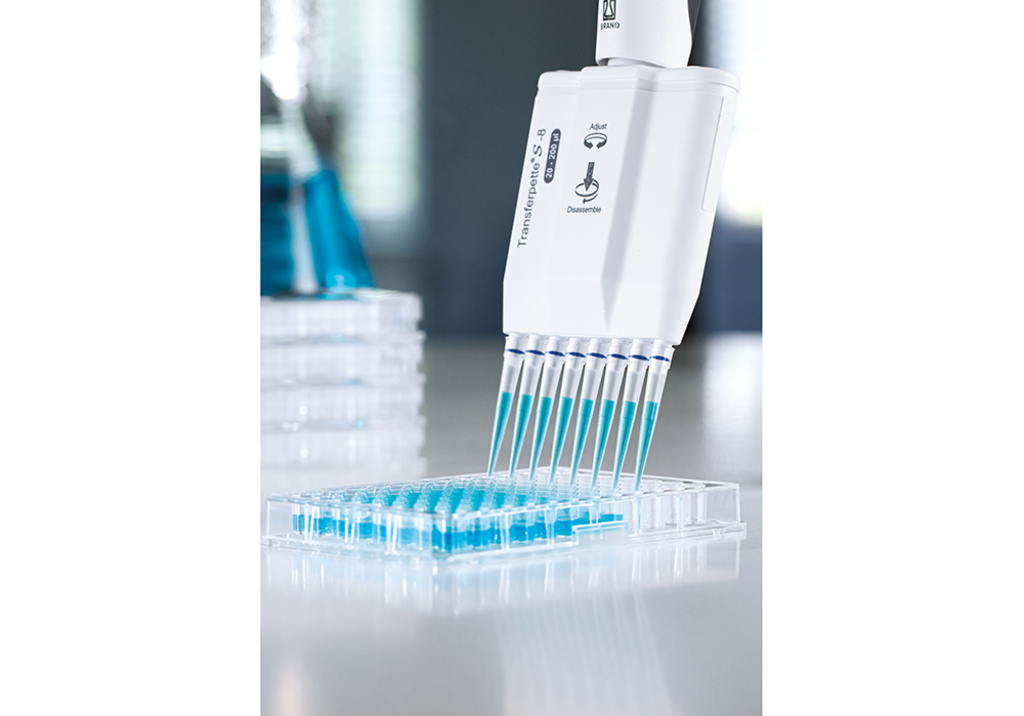
Pipette tips are small plastic attachments that fit onto the end of a pipette or micropipette, used to transfer liquids accurately in controlled amounts. These tips come in various shapes, sizes, and materials, tailored to the specific needs of different liquid handling applications. By choosing the right pipette tip, you ensure precision, reduce contamination, and avoid inconsistent experimental results.
Types of Pipette Tips: Sterile vs Non-Sterile, Filtered vs Unfiltered
Selecting the right type of pipette tip depends on the nature of your experiment. Here are the most common types:
Sterile vs Non-Sterile Pipette Tips:
- Sterile pipette tips are required when working with biological samples or experiments that need to be free of contamination. Sterile tips come in sealed packaging and are individually wrapped to maintain sterility.
- Non-sterile pipette tips are ideal for non-biological experiments where contamination is less of a concern. Non-sterile tips are more affordable and commonly used for everyday laboratory tasks.
Filtered vs Unfiltered Pipette Tips:
- Filtered pipette tips feature a built-in filter that prevents aerosol contamination and protects the pipette from any liquids. They are essential in molecular biology applications such as PCR or cell culture, where contamination can significantly affect the results, particularly in DNA and RNA applications.
- Unfiltered pipette tips do not have a filter and are often used in simpler applications where contamination is not a concern.
Pipette Tip Materials: What Are They Made Of?
Pipette tips are usually made from polypropylene (PP) or polystyrene (PS), which offer durability and chemical resistance. Here's a closer look at each:
- Polypropylene is the most common material for pipette tips, favored for its resistance to a wide range of chemicals and temperature extremes. It’s highly durable, making it suitable for a variety of laboratory applications, from general liquid handling to more complex procedures in biomedical research.
- Polystyrene is less commonly used but is sometimes preferred for applications that require a higher degree of rigidity.
The material you choose affects not just the tip's durability but also its chemical compatibility, so selecting the right material for your experiment is crucial.
How to Choose the Right Pipette Tip for Your Experiment
Choosing the right pipette tip can seem like a small decision, but it’s crucial to the accuracy and precision of your experiment. Here's what you need to consider:
- Application Requirements: Different laboratory experiments require different pipette tips. For example, PCR and molecular biology techniques demand the highest level of precision, so filtered sterile pipette tips are often preferred to minimize the risk of contamination and ensure volume accuracy. This is especially important when handling sensitive samples in clinical diagnostics or DNA and RNA applications.
- Pipette Compatibility: Not all pipette tips are designed to fit every pipette model. It's essential to ensure that the tips you select are compatible with the pipette you use. Some pipette brands require specific types of tips, so always verify compatibility before purchasing. Whether you're using single-channel pipettes or multichannel pipettes, ensure the tips are the correct fit for optimal results.
- Quality and Precision: High-quality pipette tips ensure consistent volume delivery and accuracy, which is critical for achieving reproducible results. Poor-quality pipette tips, such as those with low retention tips or irregular geometry, can lead to inconsistencies, especially when performing repetitive tasks or handling deep-well plates.
- For Specialized Applications: In certain fields, positive displacement tips are used for dispensing highly viscous or volatile liquids. These tips are ideal for industrial applications, where precise liquid handling is required under challenging conditions. Additionally, gel loading tips are specifically designed for loading agarose gels. These tips help ensure precise, contamination-free sample loading, which is essential for successful electrophoresis in molecular biology workflows.
Best Pipette Tips: What Makes a High-Quality Pipette Tip?
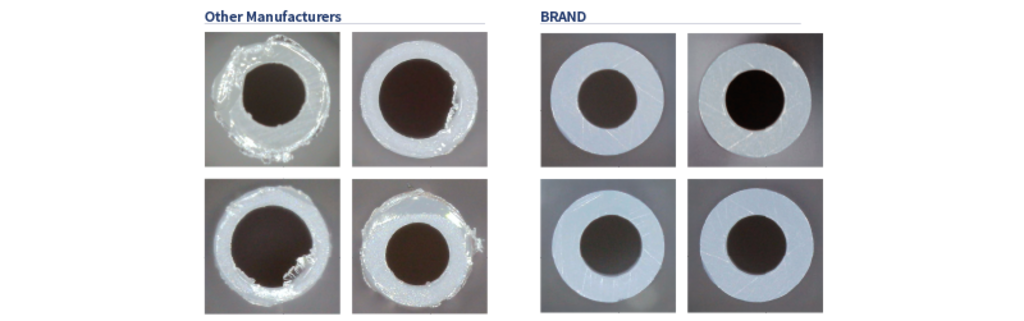
A high-quality pipette tip is designed to meet the highest standards of precision, cleanliness, and durability. Here’s what makes a pipette tip stand out:
- Uniform Geometry: High-quality pipette tips have consistent orifice sizes and smooth internal surfaces. This ensures that each liquid transfer is precise, reducing the risk of volume inaccuracies and sample contamination. This is particularly crucial when working with robotic pipettes or multichannel pipettes, which are often used for high-throughput applications in modern laboratories.
- Material Integrity: The tip should be made from a high-quality, chemically resistant material that ensures no degradation or interaction with the liquid being pipetted. Poor materials can affect accuracy or even compromise sample integrity, especially when handling biomedical research samples.
- Free from Contaminants: Stray fibers or debris inside a pipette tip can affect your results. High-quality tips, like those from BRANDTECH, are manufactured with precision and cleaned thoroughly to ensure they are free of such contaminants. This is especially important when working with single-channel pipettes for highly sensitive tasks.
Why Choosing the Right Pipette Tip Matters for Your Experiment
Selecting the right pipette tip is essential to ensuring the success of your experiment. Whether you're working with sensitive biological samples or conducting routine laboratory tasks, using high-quality, compatible pipette tips helps ensure accurate and reproducible results.
By considering factors such as tip type, material, and quality, you can find the ideal pipette tips for your lab’s needs. For those seeking precision and reliability, BRANDTECH offers a wide selection of high-quality pipette tips, specifically designed for tasks ranging from clinical diagnostics to industrial applications and biomedical research.
Explore our collection today to ensure your laboratory work meets the highest standards of performance and reliability. With BRANDTECH pipette tips, you can confidently tackle even the most complex experiments, knowing that your tools are working as accurately and precisely as possible.
Resources and Products


Get Started with Better Research Tools!
Explore our full range of life sciences research tools designed for precision and ease of use. From the bench to the breakthrough, BRANDTECH is here to help you work smarter and achieve consistent results. Contact us today or browse our products to find the right fit for your lab.
